Tower Theatre
The Tower Theatre at 425 NW 23rd Street is the easiest landmark to give a crew. If we are staging near the theatre, we know we are on the core blocks with the tightest parking and the most foot traffic, so we plan drops accordingly.
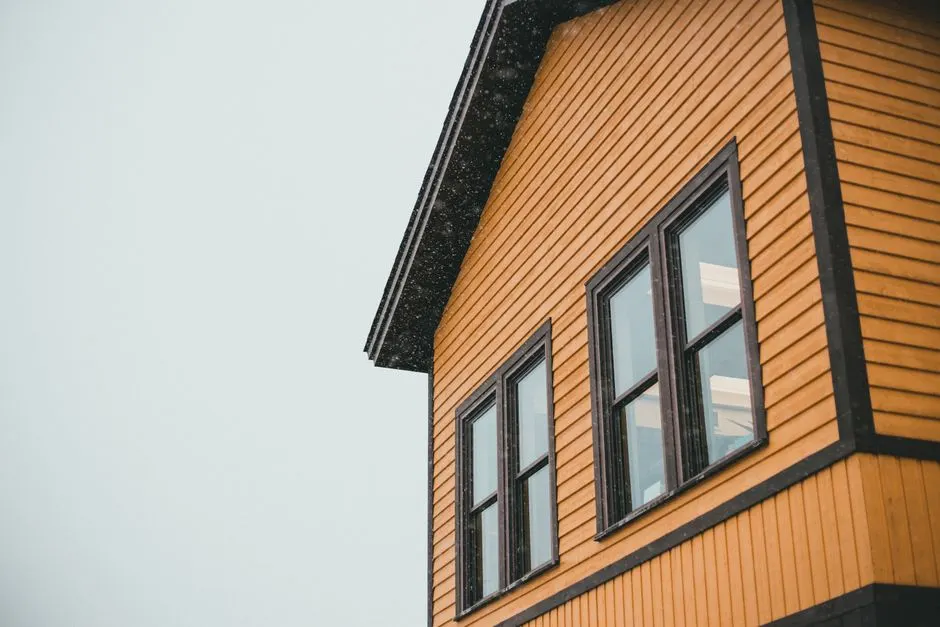
Siding Installation in Uptown 23rd is a different job than new construction in the suburbs. The housing stock here dates to the 1910s through the 1940s, with wood-framed walls, original cedar shakes under aluminum coils, and brick that has already survived a hundred Oklahoma winters. We have worked these blocks since 2021, and we know which streets in Mesta Park and Heritage Hills have the tightest setbacks and the oldest sheathing. Our crews carry a siding nailer, circular saw, tin snips, and a siding gauge on every truck because you cannot eyeball a reveal on a 1920s bungalow. We install James Hardie, LP SmartSide, and CertainTeed products that hold up to the hail that rolls through Oklahoma County every April and May. If you need affordable Siding Contractor Uptown 23rd OK pricing without cutting corners on flashing or house wrap, we quote the job in person and stand behind the work.
Uptown 23rd sits in ZIP codes 73103, 73106, and 73107, and the work changes block to block. One street is all 1920s bungalows with original wood siding; the next is a 1960s duplex with aluminum coils that have chalked out. We handle everything from a two-panel repair after a hailstorm to a full siding replacement on a four-square near Oklahoma City University. If you have been searching for Siding Installation in Uptown 23rd OK near me, this is the list of what we actually install and fix.
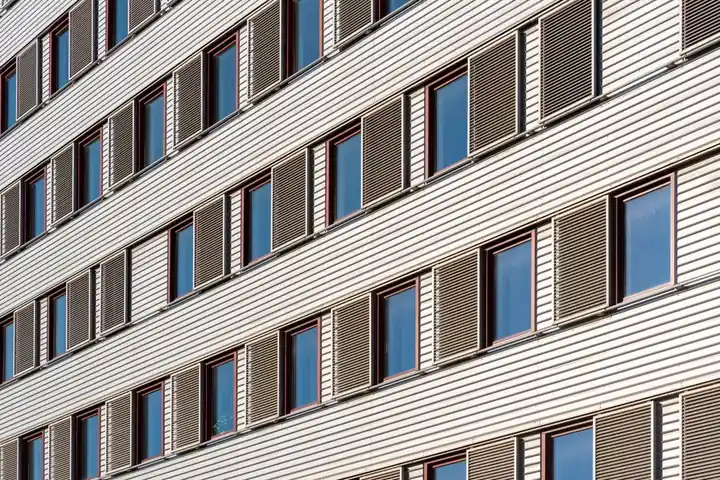
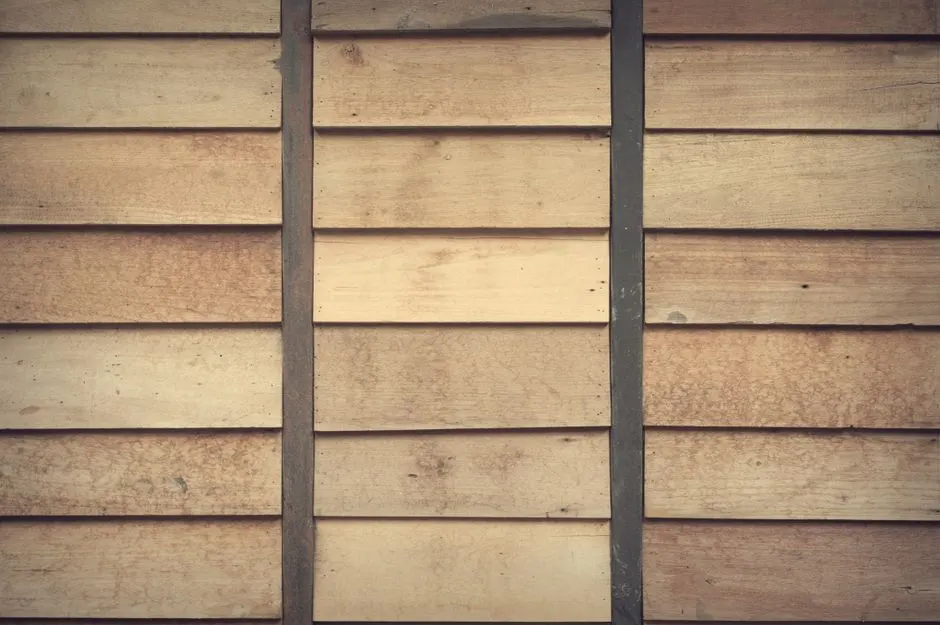
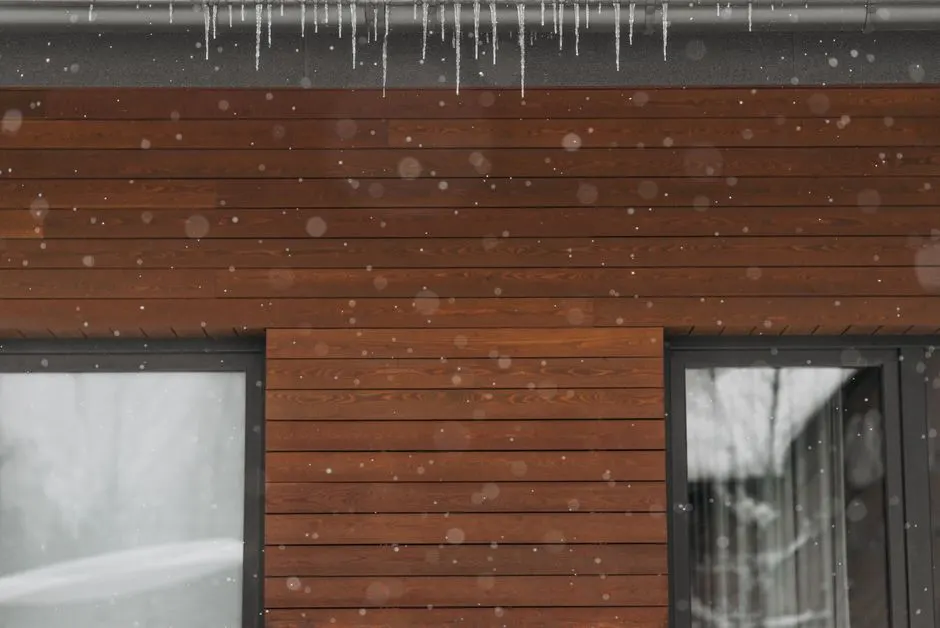
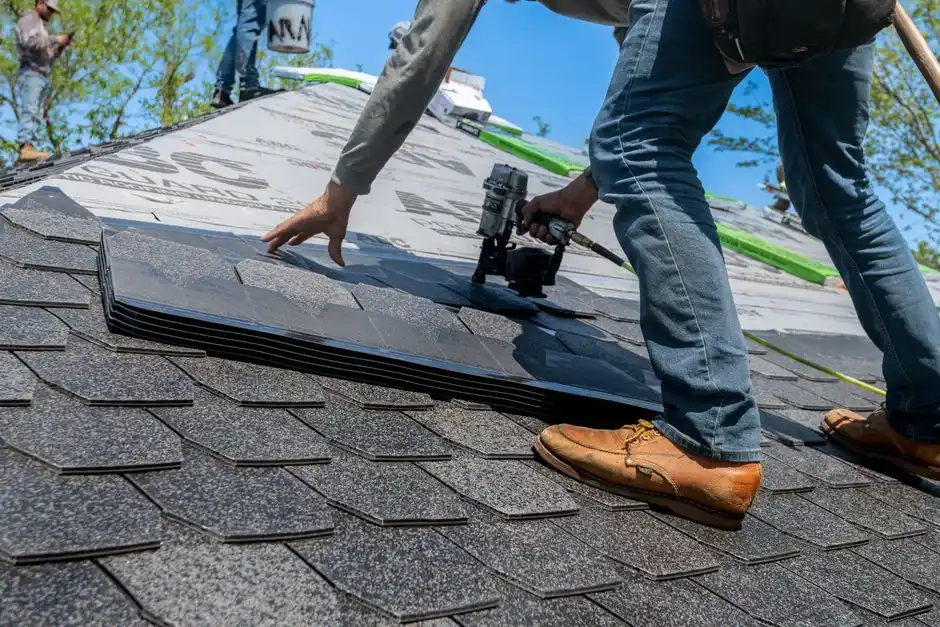
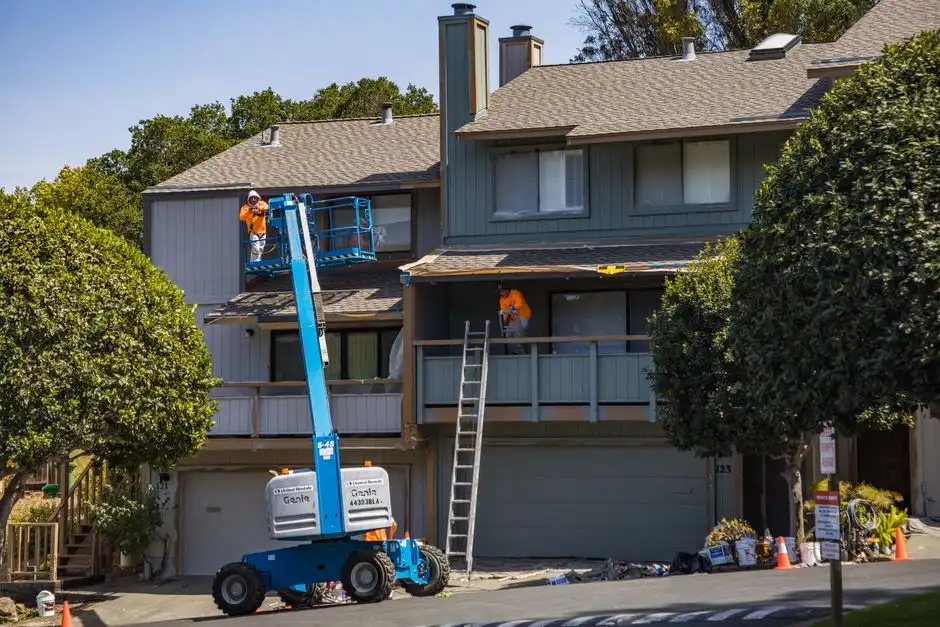
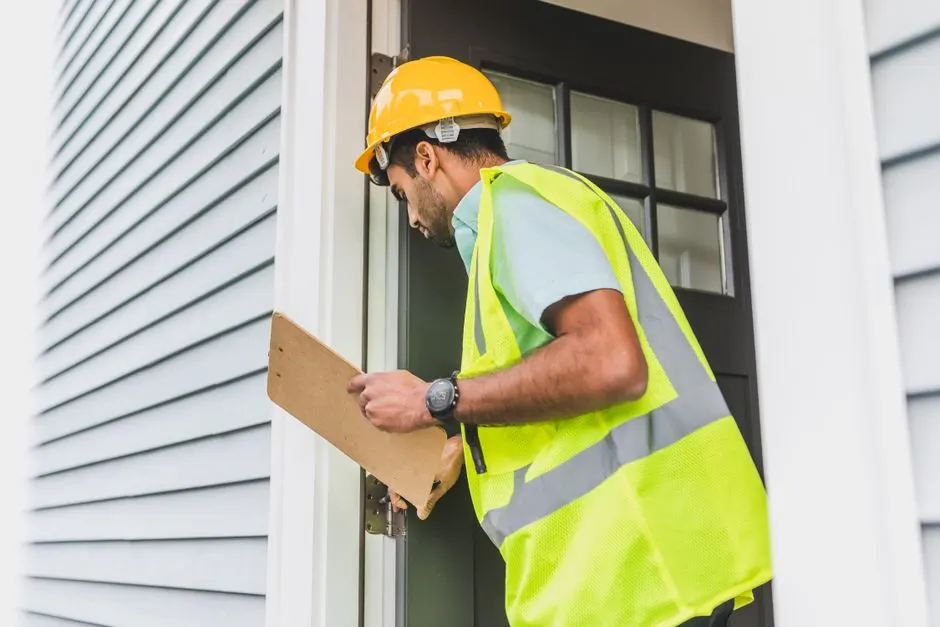
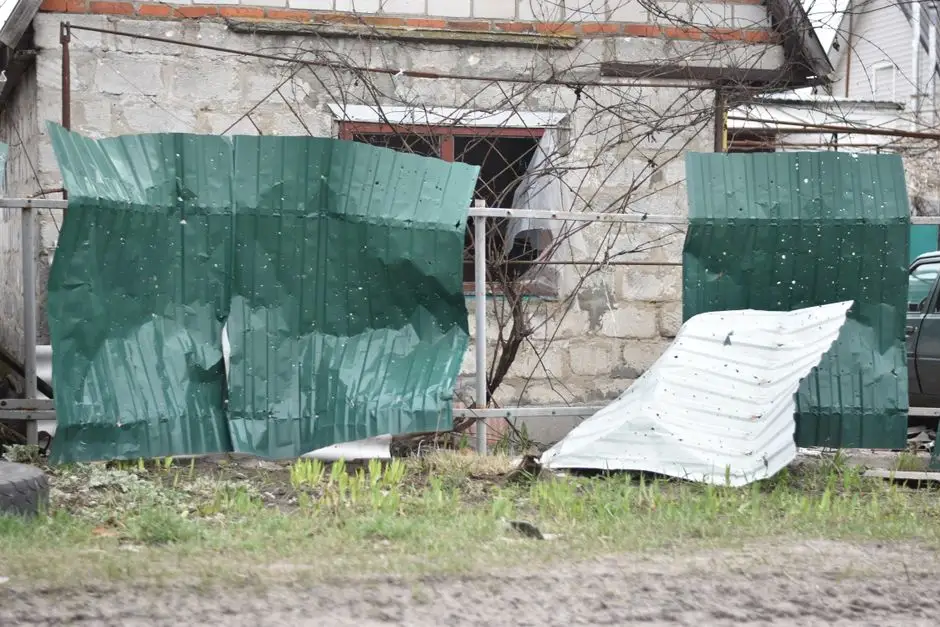

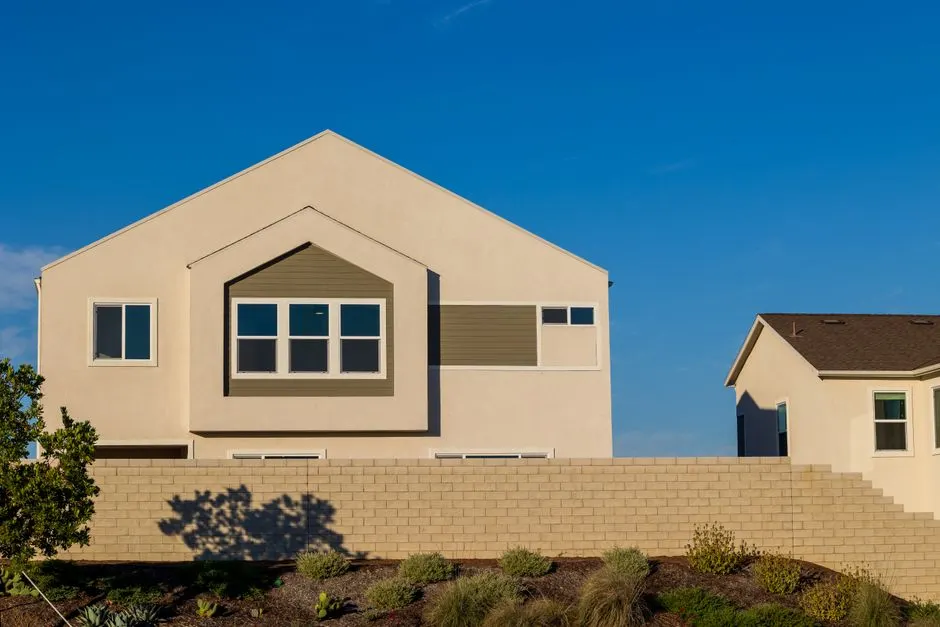
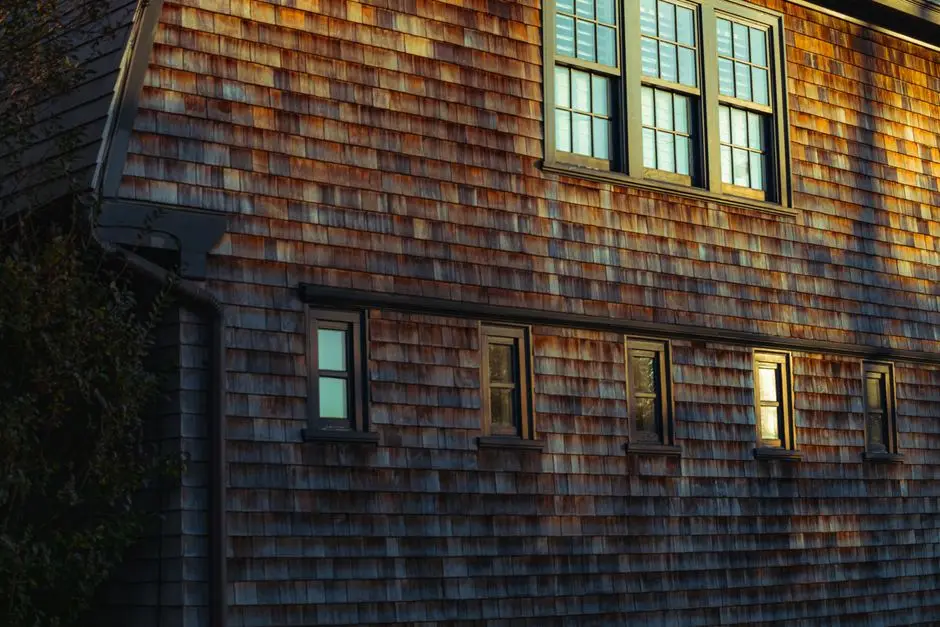
Uptown 23rd has a specific set of siding problems that come from the age of the housing stock, the hail and wind exposure, and the way the district was built out in the 1920s. If you own a home here, you will see at least two of these eventually. Knowing what causes them is half the fix.
Most Uptown 23rd homes were sided before modern house wrap was standard. The J-channel and flashing were nailed tight to the sheathing with no drainage plane, so any water that gets behind the panel sits against the wood. After 30 or 40 years, that wood is soft.
Hail bruising on vinyl and fiber cement does not always crack the panel on impact. It weakens the material, and the next wind event tears it loose. Homeowners in Uptown 23rd often do not notice the damage until a panel is already on the ground.
The original wood siding on these 1920s homes wicks water at the end grain, especially at the sill and the corner boards where the grade is close. Once the paint fails, the wood rots from the inside. It is the single most common hidden repair we find in Mesta Park and Jefferson Park.
Aluminum coils were wrapped over half the homes in Uptown 23rd in the 1960s and 1970s. The paint chalks out after 20 years, and the panels trap moisture against the original wood. It looks fine from the street until you touch it.
Siding does not fail all at once. It gives you warnings for a year or two before the wall is actually wet. If you have been putting off a call and searching for siding repair near Uptown 23rd OK, these are the five signs that mean it is time to get someone on a ladder.
Paint peeling within a year of the last coat
Paint that peels in sheets usually means moisture is trapped behind the siding, not that the paint was bad. On an Uptown 23rd home with aluminum coils over old wood, that moisture is often coming from a failed J-channel or a missing kick-out flashing. Get it looked at before the sheathing softens.
Loose or missing panels after a wind event
A single missing panel on the west wall is a warning, not a one-off. Straight-line winds funnel down NW 23rd Street and work the nails loose over time. If you see one panel flapping, the ones next to it are usually loose too. We check the whole wall, not just the gap.
Visible hail bruising or cracks
Vinyl cracks, aluminum dents, and fiber cement bruises in a way that is easy to miss from the ground. After a spring hail event in Uptown 23rd, walk the north and west walls with a flashlight. If you see spider cracks or dents, document them before the insurance window closes.
Soft or spongy spots at the sill
Press a screwdriver into the wood at the bottom of the wall. If it sinks in, the sheathing is wet and the rot is already behind the siding. This is the most common hidden problem we find on 1920s Uptown 23rd homes, and it gets expensive fast if you wait.
Mold, mildew, or a musty smell inside
Mold on the interior wall or a musty smell in a closet usually means water is getting behind the siding and not draining. On these older homes the water often enters at a window head or a roof-wall intersection. A siding inspection will find the entry point.
Uptown 23rd is a compact district, but the one-way streets and the railroad tracks on the south edge can slow a crew down if they do not know the area. We use the landmarks below to orient our routes and to tell customers where we are when we are on the way. If you are near Tower Theatre or the Uptown 23rd District sign, you are within a few minutes of most of our jobs.
The Tower Theatre at 425 NW 23rd Street is the easiest landmark to give a crew. If we are staging near the theatre, we know we are on the core blocks with the tightest parking and the most foot traffic, so we plan drops accordingly.
The Uptown 23rd District runs along NW 23rd Street between Classen Boulevard and Western Avenue. It is the main commercial spine of the area, and most of our residential jobs sit within a few blocks north or south of it.
Classen Boulevard is the western edge of the Uptown 23rd area and a main north-south route. We use it to move between jobs in Mesta Park and Heritage Hills without cutting through the residential streets.
NW 23rd Street is the east-west spine of the district. Traffic and street parking make it slow during business hours, so we schedule material drops and ladder setups before 9 a.m. whenever the job fronts the street.
Plus surrounding Oklahoma County neighborhoods, with same-day routing on most appointments.
Averaging 4.9 / 5 across verified reviews.
“We had three bids on our Mesta Park bungalow and Elite was the only crew that climbed the roof to check the flashing before quoting. They stripped three layers of old siding, replaced the rotted sill board, and hung fiber cement that matches the historic look. Six days, no surprises, and the yard was cleaner than they found it.”
Marcus T.
Mesta Park
“Hail cracked 11 panels on our duplex in Jefferson Park. Elite tarped the same day, met our adjuster on site, and had the new panels up within a week. The color lot matched, so we did not have to re-side the whole wall. Straight answers and no upselling.”
Danielle R.
Jefferson Park
“Our Heritage Hills four-square had cedar shakes that were cupped and rotting at the ends. Elite replaced the bad boards, back-primed everything, and re-stained the whole wall. They were upfront that cedar needs re-staining every 4 to 6 years, which I appreciated. Good crew, clean work.”
Greg S.
Heritage Hills
Oklahoma County gets four real seasons, and each one changes what we see on Uptown 23rd walls. Spring is hail and wind. Summer is UV and heat. Fall is the window to get ahead of winter. Winter is freeze-thaw and water infiltration. If you are planning a siding project, the season you pick matters as much as the material.
April and May bring the hail and 60 mph straight-line winds that do most of the damage in Uptown 23rd. Vinyl cracks, aluminum dents, and loose panels show up on the west and north walls within days of a storm. This is our busiest season for storm damage siding repair.
Tip: Walk your north and west walls after every hail event and photograph any dents or cracks. Call us before you file a claim so we can document the damage properly.
July and August push UV index past 10 and bake the south and west walls. Paint fades, caulk dries and cracks, and cedar shakes lose their stain faster than any other season. Heat also makes vinyl expand, so panels installed too tight in the summer can buckle in the winter.
Tip: Re-caulk window and door penetrations in June before the heat sets in. If your cedar shakes look dry and gray, schedule a re-stain before the fall rain.
October and November are the best months to install siding in Uptown 23rd. Temperatures sit between 55 and 75 degrees, which is ideal for caulk cure and paint adhesion. It is also the last window before the first freeze, when water infiltration becomes a real problem.
Tip: Book your siding replacement in September or early October. Crews fill up fast, and a job that starts in November may run into cold-weather caulk limits.
December through February brings freeze-thaw cycles that open up every failed caulk joint and flashing detail on an Uptown 23rd home. Water gets behind the siding, freezes, and pushes the panels apart. Ice dams at the roof edge are common on the older homes with complex rooflines.
Tip: Check your attic and interior walls for water stains after every freeze. If you see one, call us for a siding inspection before the spring rain turns a small leak into a rotten wall.
Uptown 23rd sits in the middle of the Oklahoma City historic districts, so we cover a tight radius around it. Most of these areas are 5 to 15 minutes away, which means we can run an estimate in the morning and still get a repair done the same afternoon. If you are in one of these neighborhoods, we are already working nearby.
(City)
About 10 minutes south of Uptown 23rd. Bricktown customers often find us through referrals from the historic district homeowners we work with.
View Bricktown(City)
Roughly 5 minutes south of Uptown 23rd along Classen Boulevard. Midtown shares the same 1920s housing stock and the same hail exposure.
View Midtown(City)
About 8 minutes west of Uptown 23rd. Paseo has a similar mix of historic homes and small commercial buildings, with the same maintenance needs.
View Paseo Arts District(City)
Roughly 6 minutes southwest of Uptown 23rd. Plaza District homeowners often call us for the same fiber cement and cedar work we do in Mesta Park.
View Plaza District(City)
About 8 minutes south of Uptown 23rd near Broadway. Automobile Alley is mostly commercial, so our work there is on upper-floor residential and mixed-use buildings.
View Automobile Alley(City)
Roughly 5 minutes southwest of Uptown 23rd along Classen Boulevard. The Asian District has a mix of older homes and commercial buildings with the same hail and wind exposure.
View Asian DistrictReal answers from our team for the questions we hear most often before a job starts.
We answer the phone, we show up when we say we will, and we quote the job in person with the material and labor broken out. If you are in Uptown 23rd and you have a loose panel, a hail bruise, or a wall that needs a full tear-off, call us at (405) 931-0174. We run crews six days a week and 24/7 during hail season. Most Uptown 23rd estimates are scheduled within 48 hours, and emergency storm damage gets a same-day tarp.
Call (405) 931-0174 or send us a note and we will get back to you the same business day. We answer the phone from 8 a.m. to 6 p.m. Monday through Friday, and we check messages on weekends. Free estimates across Oklahoma City and Oklahoma County.
Phone
(405) 931-0174Address
3150 W Memorial Rd Suite 210-186, Oklahoma City, OK 73134
Hours
Mon–Fri: 7AM – 7PM
Sat: 8AM – 4PM
Sun: Emergency Only
24/7 Emergency Available