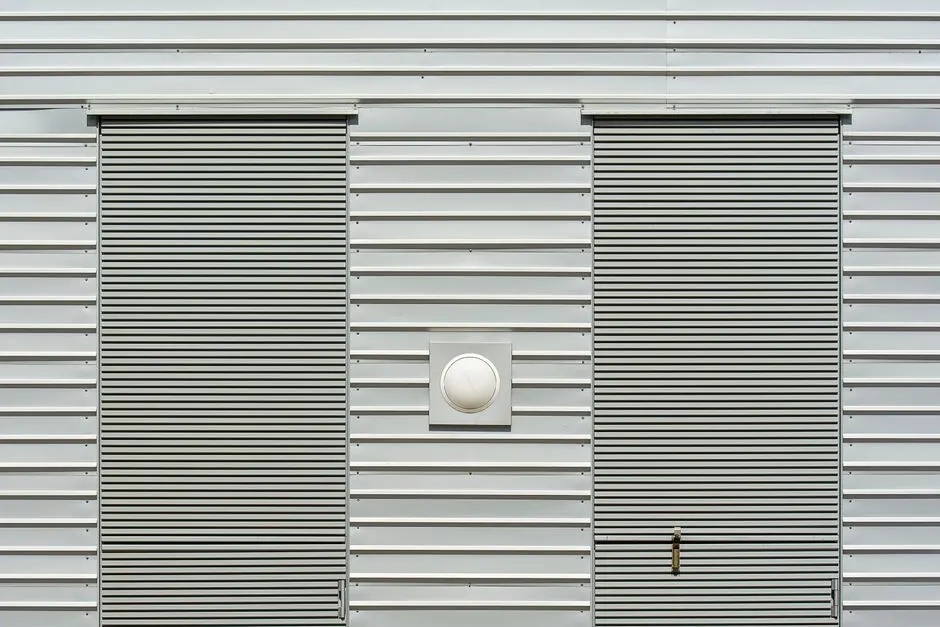
Tear-off and disposal
We remove the old siding, haul it off, and recycle the aluminum where possible. Dumpster, labor, and disposal fees are in the quote, not tacked on at the end.
Every aluminum job we run includes tear-off, prep, panels, trim, and cleanup. Add-ons like insulation board, fascia replacement, and gutter work are quoted separately so you can see exactly what each piece costs.
We remove the old siding, haul it off, and recycle the aluminum where possible. Dumpster, labor, and disposal fees are in the quote, not tacked on at the end.
New house wrap goes up over the sheathing, and we flash every window, door, and penetration to IRC detail. This is the layer that keeps water infiltration out of your wall cavity.
0.019 or 0.024 gauge aluminum coils, J-channel, corner trim, and starter strips, all cut and fitted on site. We use Alside and Ply Gem profiles that match standard Oklahoma City trim depths.
Panels are fastened with a siding nailer through a gauge so they float with temperature. We caulk every joint and penetration with a paintable sealant rated for Oklahoma freeze-thaw cycles.
Magnetic sweep for nails, panel wipe-down, and a full walk-around with you before we pack up. You sign off only when the job looks right.
Aluminum Siding in Oklahoma City is a metal cladding system made from 0.019 to 0.024 gauge aluminum coils, formed into horizontal or vertical panels and locked to your wall over house wrap and sheathing. We cut each piece with a circular saw or tin snips, snap a chalk line for level, and fasten through a siding gauge so panels float with temperature swings instead of buckling. J-channel, flashing, and caulk gun beads seal the corners, windows, and penetrations.
Oklahoma City homes face 60 to 80 mph straight-line winds, golf-ball hail, and 100-degree July afternoons that cook vinyl and crack old wood. Aluminum handles all three. If you have been putting off aluminum siding replacement Oklahoma City because of cost, the math has shifted: aluminum now runs cheaper than fiber cement and lasts 30 to 40 years with a factory-baked finish. We see the worst damage in 1950s-70s ranch homes near Historic Capitol Hill and Stockyards City, where original wood siding has been repainted five times and is finally rotting at the sill.
Five steps, one crew, no surprise line items. Here is exactly what happens from the first phone call to the final walk-around.
Schedule
Call or book online — a real human picks up and confirms a 2-hour arrival window.
Diagnose
Licensed tech inspects on-site, then walks you through the cause and your options.
Fix
The job is completed to code and done right the first time — no shortcuts, no surprises.
Guarantee
Every job backed by a written workmanship warranty — and we stand behind it.
Siding nailer
Drives fasteners to a consistent depth so aluminum can expand and contract without oil-canning or popping loose in Oklahoma heat.
Tin snips and circular saw
Tin snips for trim and detail cuts, circular saw with a fine-tooth blade for long panel cuts. Clean edges mean tighter seams and less caulk.
Chalk line and level
Sets the horizontal reference for every course. A wall that starts level stays level, and the J-channel lines up with the window heads.
Siding gauge
Holds the panel off the wall at the correct depth so the nail heads sit in the slot, not tight against the metal.
Caulk gun and pry bar
Caulk gun for sealing joints and penetrations, pry bar for lifting panels during repair without damaging the surrounding runs.
Utility knife and hammer
Utility knife for cutting house wrap and flashing membrane, hammer for setting trim and tapping panels into the J-channel.
IRC-compliant flashing
We flash every window, door, and penetration to International Residential Code detail, with a drainage plane behind the aluminum so any water that gets in can get back out.
Floating panel fastening
Aluminum moves roughly 1/8 inch per 10 feet over a 100-degree temperature swing. We fasten through slotted holes and a gauge so the panel floats instead of buckling.
EPA Lead-Safe practices
On pre-1978 homes, we contain the work area, use HEPA filtration, and follow EPA Lead-Safe renovation rules. Common on Paseo Arts District and Historic Capitol Hill houses.
Insulation board backing
We install rigid insulation board behind the aluminum to add R-value and reduce thermal bridging. It is the best cooling-load upgrade you can pair with a metal install.
01
What we do: We tear off the wood, replace soft sheathing, wrap the wall, and hang 0.019 gauge aluminum with new J-channel and corner trim. The job takes 3 to 4 days for a 1,600-square-foot home.
→ No more scraping and painting every four years, and the wall is watertight for the next 30 years.
02
What we do: We document the full damage, write the scope in adjuster language, and install aluminum on the storm-exposed walls. The upgrade costs a few hundred more than the vinyl repair and does not crack next season.
→ Claim approved on resubmission, and the homeowner gets a stronger wall for roughly the same out-of-pocket.
03
What we do: We run vertical aluminum board and batten on the front elevation and horizontal panels on the sides, with matching trim and a factory finish in a matte charcoal.
→ The contemporary look the architect drew, at 20 to 30 percent less than steel or fiber cement.
04
What we do: We wash, scuff, prime, and roll two acrylic coats in a light neutral. The whole repaint finishes in 2 days with no tear-off.
→ The building looks refreshed, the staining stops, and the owner avoids a full replacement for another decade.
Oklahoma City sits in a hail alley, and that shapes every aluminum decision we make. We spec 0.024 gauge on west and north elevations where storms hit hardest, and 0.019 gauge on sheltered walls where the lighter panel saves money. Summer heat pushes 100 degrees for weeks, so we fasten through slotted holes and a siding gauge to let the metal move without buckling. Winter freeze-thaw cycles work on caulk joints, which is why we use a paintable sealant rated for the temperature swing. Building stock matters too: 1920s bungalows in Paseo Arts District and Historic Capitol Hill often hide soft sheathing behind old wood siding, and we check for that before we hang a single panel. If you are comparing aluminum siding Oklahoma City options, ask any contractor how they handle hail gauge and flashing detail. That answer tells you more than the price.
Plaza District
Mix of 1920s bungalows and newer infill. Older homes often need sheathing repair before aluminum goes up.
Automobile Alley
Contemporary builds that lean toward vertical aluminum board and batten and matte factory finishes.
Historic Capitol Hill
Pre-1978 housing stock, so EPA Lead-Safe practices apply on nearly every tear-off.
Deep Deuce
Tight lots and shared walls mean we stage materials carefully and keep the work area contained.
Golf-ball hail two to three times per spring
Drives our 0.024 gauge recommendation on exposed walls and makes hail-claim documentation a routine part of the job.
100-degree July afternoons
Aluminum expands more than vinyl, so floating fasteners and slotted holes are non-negotiable to prevent buckling.
Freeze-thaw cycles from December through February
We use a flexible sealant rated for the swing so caulk joints do not crack and open a path for water.
60 to 80 mph straight-line winds
Panels must be fastened to the gauge depth so they stay locked in the J-channel when a gust hits the wall.
Most of our aluminum calls come down to four issues. Here is what they look like and what we do about them.
Problem
Cosmetic dents turn into cracked panels and exposed fasteners after two or three storm seasons, and the wall starts taking on water at the seams.
Our Fix
We replace the dented runs with 0.024 gauge aluminum, re-flash the wall, and document the damage for your insurance claim. Most hail repairs finish in a single day.
Problem
Popped nails let panels move, which opens the seams and lets wind-driven rain behind the wall. Left alone, that means mold and mildew on the sheathing.
Our Fix
We reset the fasteners through a siding gauge, replace any torn J-channel, and re-caulk the joints. A rattle fix usually runs $350 to $900 depending on panel count.
Problem
Chalky aluminum looks tired and holds dirt, and the oxidation can stain brick and concrete below the wall.
Our Fix
We wash, scuff, prime with a bonding primer, and roll two coats of acrylic. A repaint runs $2,200 to $4,800 and resets the finish for 10 to 12 years.
Problem
Soft sheathing and rotting wood framing hide behind siding until a window or door starts sticking. By then the repair is structural, not cosmetic.
Our Fix
We pull the affected panels, replace the sheathing, install new house wrap and flashing, and rehang aluminum. We check every penetration while the wall is open.
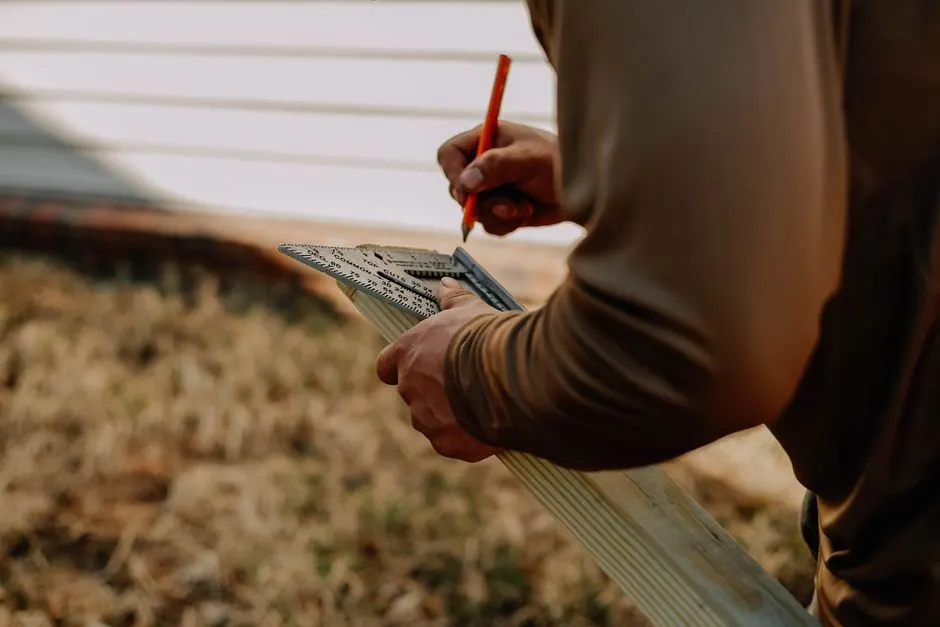
Aluminum is not the cheapest panel on the shelf, but it is the one that survives an Oklahoma County storm season without a repair call. Here is what you actually get.
Hail and wind resistant
Aluminum takes a 1.75-inch hailstone at 60 mph without cracking the way vinyl does. After the April 2024 storms through Deep Deuce and Automobile Alley, we replaced vinyl panels on 40-plus homes and aluminum on almost none. That is the whole argument in one number.
No rot, no repaint
Wood siding in Oklahoma City needs a fresh coat every 4 to 6 years because UV and humidity break down the paint film. Aluminum arrives with a factory finish that holds 20 to 30 years. You wash it once a year with a garden hose and move on with your weekend.
Lower cooling load
Bare aluminum reflects heat, and when we back it with insulation board you cut attic-side wall temperature by 10 to 15 degrees. Oklahoma City homeowners on the 73114 and 73117 side of town routinely see summer electric bills drop $30 to $50 a month after an insulated aluminum install.
Cheaper than fiber cement
A full aluminum siding installation near me Oklahoma City quote usually lands 20 to 30 percent below James Hardie fiber cement for the same square footage. You give up some impact rating and gain a lighter panel that does not need a repaint or a caulk-and-paint cycle every decade.
Google ★★★★★4.9
Elite Siding OKC hung aluminum on our Plaza District house in three days. Clean work, no nails left in the yard, and the color match to our brick is perfect. Two hail storms since and not a dent.
BBB ★★★★★4.8
We had a hail claim denied twice before Elite documented the damage properly. They resubmitted the scope and got it approved. Aluminum went up the next week.
Yelp ★★★★★4.9
Got three quotes for aluminum siding replacement. Elite was the only one that measured the dormers and brought color chips. Price was fair and the crew cleaned up every day.
Elite Siding OKC has been installing and repairing siding in Oklahoma City since 2021. In that time we have hung aluminum on more than 300 homes across Oklahoma County, from 900-square-foot Paseo Arts District cottages to 3,200-square-foot new builds in Uptown 23rd. Our lead installers are trained on Mastic and Alside aluminum systems, and we follow IRC flashing details on every window and door. We carry a State of Oklahoma Contractor License, run EPA Lead-Safe practices on pre-1978 homes, and pull permits when the scope requires one. Aluminum is a metal trade, not a carpentry trade, and we treat it that way.
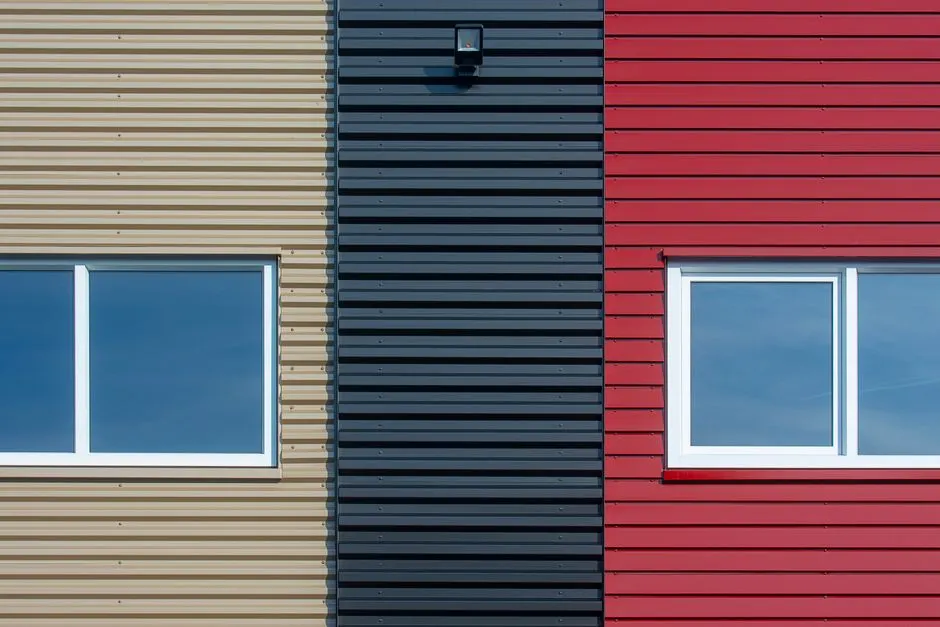
Real experiences from customers who chose our Aluminum Siding services.
“We had hail dents all over the old vinyl and two panels cracked. Elite Siding OKC measured on a Tuesday, quoted the same afternoon, and had aluminum up by Friday. The color match to our brick is dead on. Two storms since and not a single new dent. That is the whole review.”
Marcus T.
Homeowner, Plaza District
“Our 1948 house had wood siding that had been painted six times and was rotting at the sill. They tore it off, found soft sheathing, replaced it, and hung aluminum in four days. The house looks 20 years newer and I will never paint siding again.”
Danielle R.
Homeowner, Paseo Arts District
“I got three quotes for aluminum siding replacement Oklahoma City and Elite was the only one that brought physical color chips and actually measured the dormers. Price was mid-pack, work was clean, and they walked the house with me at the end. No surprises on the invoice.”
Kevin B.
Homeowner, Uptown 23rd
Real answers to the questions we hear most often from local homeowners and property managers.
Vinyl is the budget alternative to aluminum and runs about 15 percent less per square foot. It cracks instead of dents in hail, so we usually steer Oklahoma City homeowners toward aluminum on the west and north walls where storms hit hardest.
View Vinyl SidingJames Hardie fiber cement is the premium step up from aluminum. It holds paint longer and takes impact better, but costs 20 to 30 percent more and weighs three times as much. We install both and will tell you honestly which one your house needs.
View Fiber Cement SidingOriginal wood siding on 1920s Paseo Arts District and Historic Capitol Hill homes is often worth saving. We repair and repaint it when the boards are sound, and we swap to aluminum when rot has reached the sheathing.
View Wood SidingSteel panels are thicker and more dent-resistant than aluminum, which matters on hail-exposed walls. They cost more and need a different fastener pattern. We spec steel when you want maximum impact resistance and aluminum when you want the lighter, cheaper option.
View Metal / Steel SidingStone veneer on a wainscot or entry column pairs well with aluminum above it. The two materials meet at a flashing detail we build carefully so water never gets behind the stone and into the wall cavity.
View Stone Veneer SidingVertical board and batten gives a modern look, and we can run it in aluminum for the same weather resistance as horizontal panels. Popular on new builds in Automobile Alley and Deep Deuce where the architecture leans contemporary.
View Board and Batten SidingCall (405) 931-0174 or send us a note and we will get back to you the same business day. We answer the phone from 8 a.m. to 6 p.m. Monday through Friday, and we check messages on weekends. Free estimates across Oklahoma City and Oklahoma County.
Phone
(405) 931-0174Address
3150 W Memorial Rd Suite 210-186, Oklahoma City, OK 73134
Hours
Mon–Fri: 7AM – 7PM
Sat: 8AM – 4PM
Sun: Emergency Only
24/7 Emergency Available